



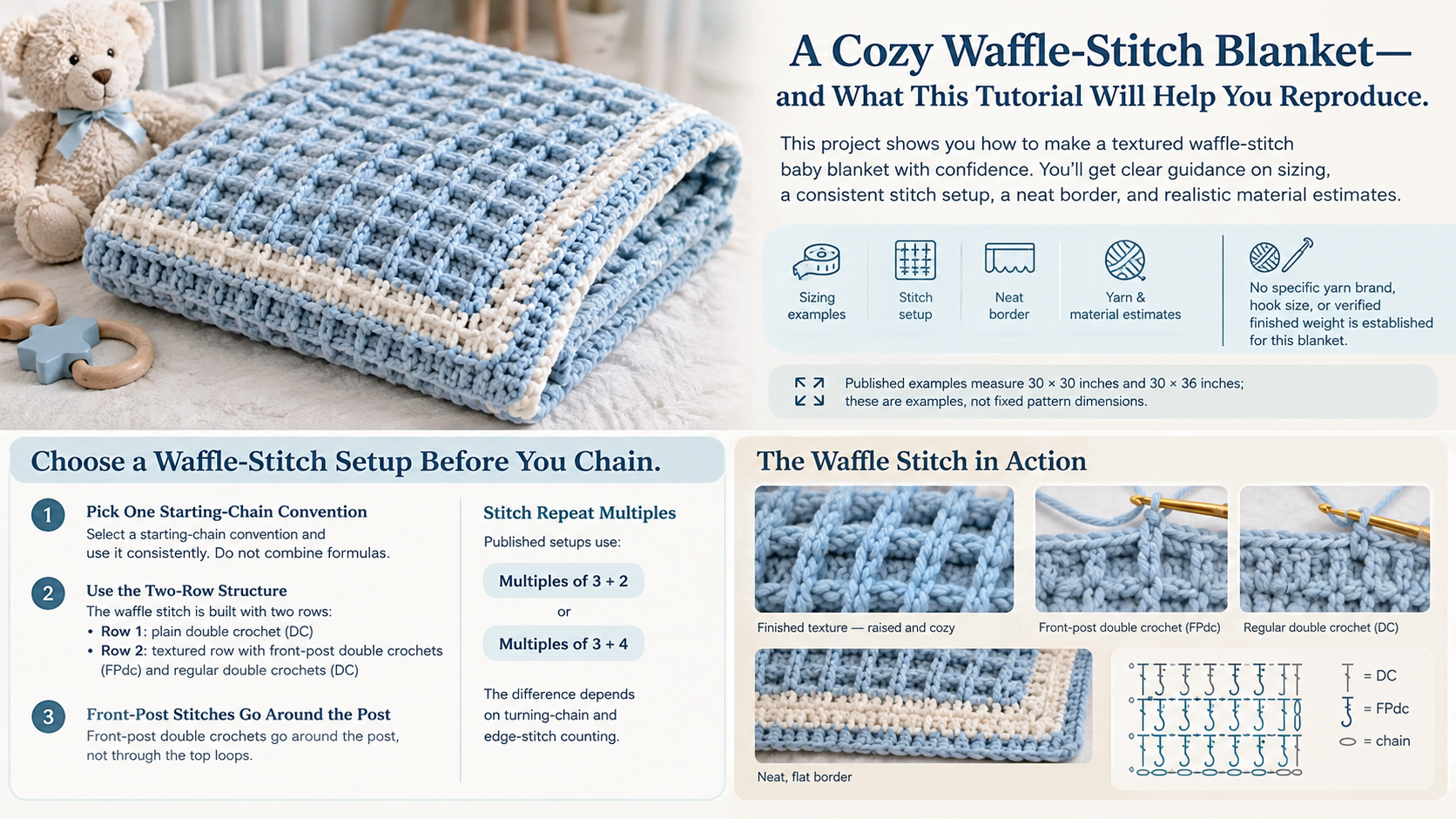

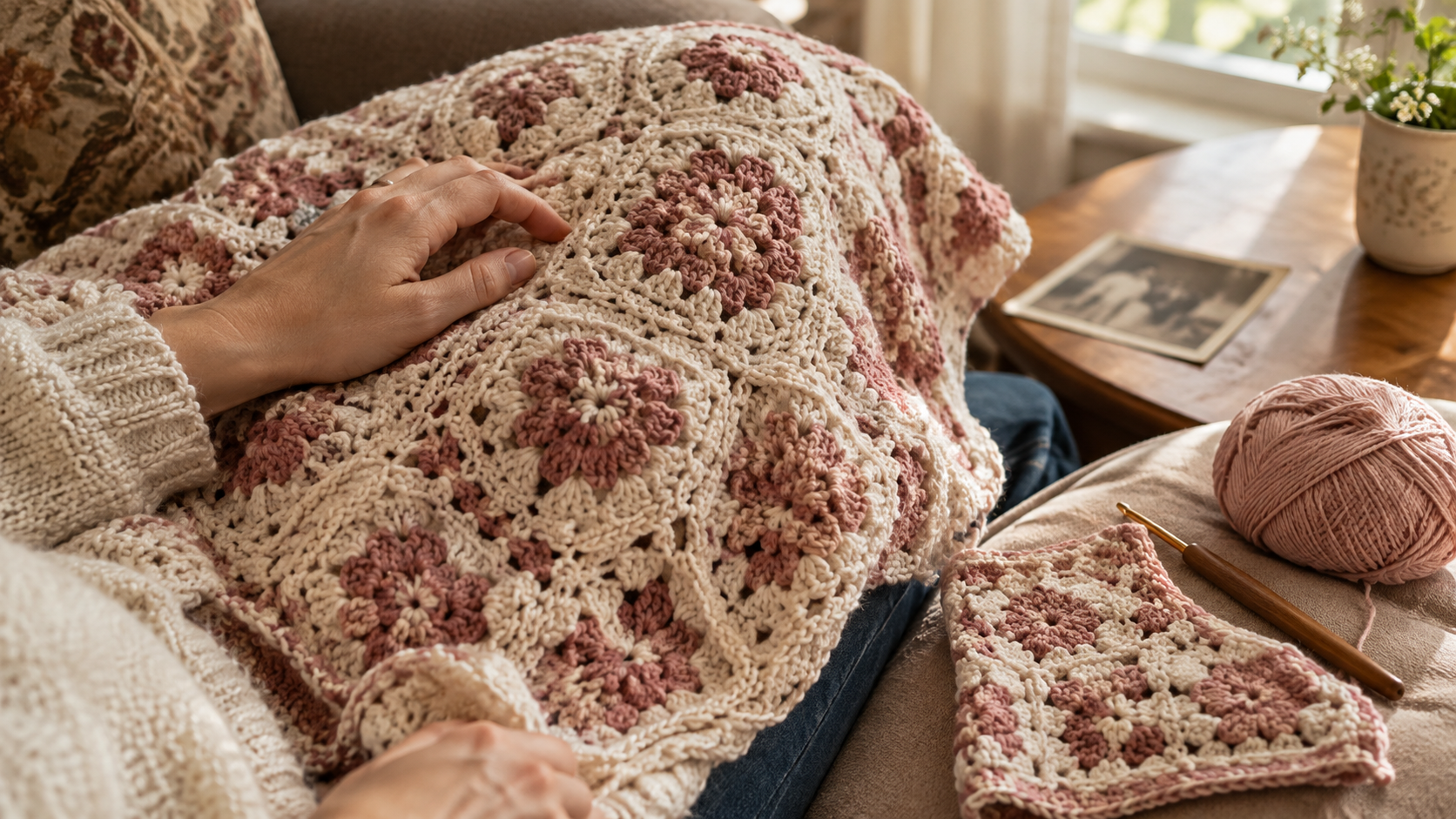


Crochet baby projects can become treasured gifts, but the best choice is usually the one a family can wash, fit, and use safely. A simple blanket, hat, or pair of booties can be meaningful without being complicated. This guide helps you choose a project based on the recipient’s needs, your available time, and the details that make handmade gifts practical.
Key Takeaways
- Choose useful, washable designs over elaborate details, and ask the family about preferences when possible.
- Use actual measurements, check gauge, and allow time for finishing. Estimates vary by skill, stitch, and interruptions.
- Keep baby items free of detachable parts and long ties. Never present loose blankets, loveys, or toys as safe for unsupervised infant sleep.
The meaning and purpose of a crochet baby project
Making something by hand can be a personal way to welcome a baby, especially when the project marks a moment that matters to you. The meaning belongs to the maker and recipient; no single story describes every family. Pregnancy, infertility, adoption, and loss can shape how people experience baby related content, so there is no need to attach a fixed emotional message to a gift.
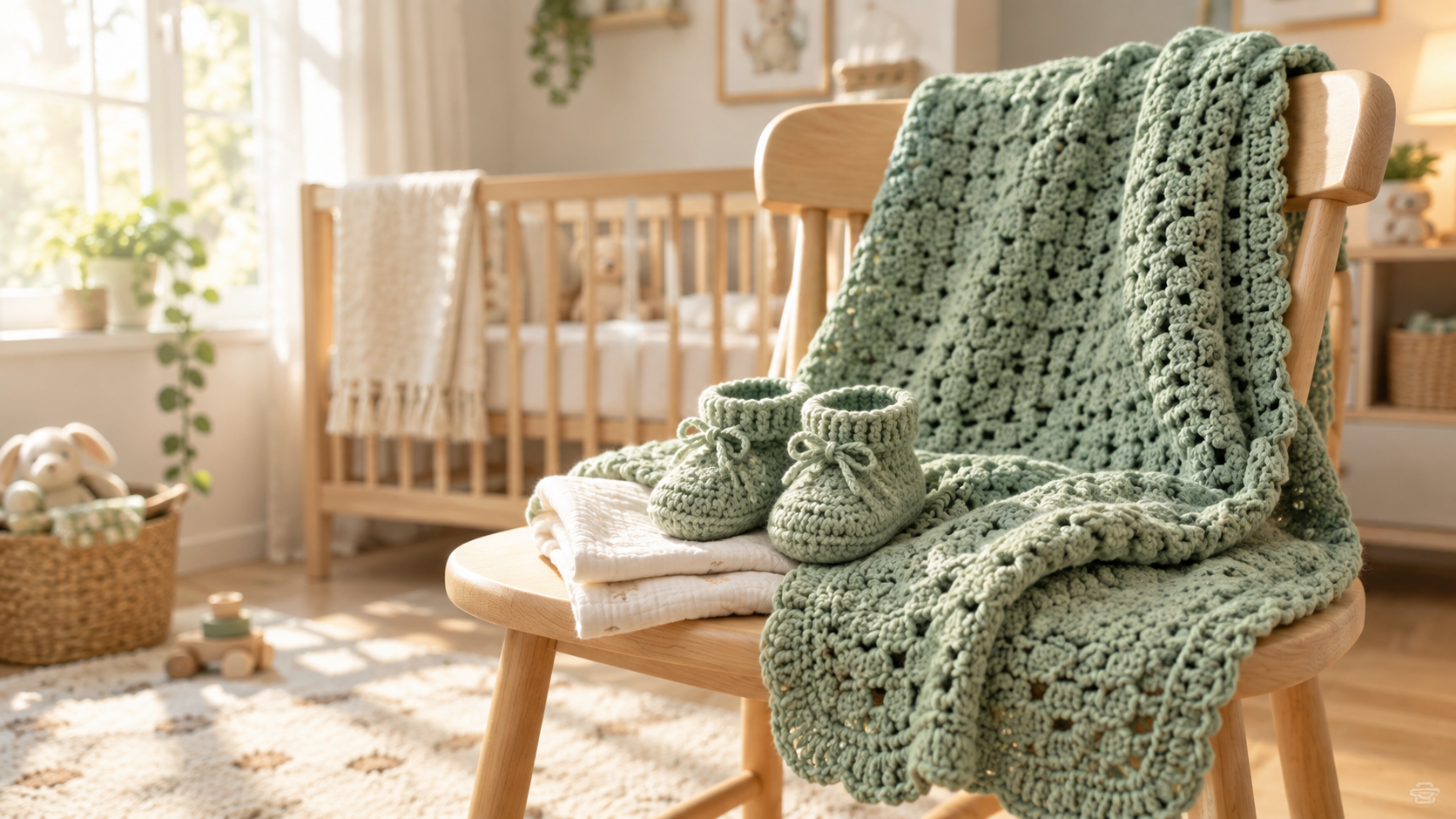
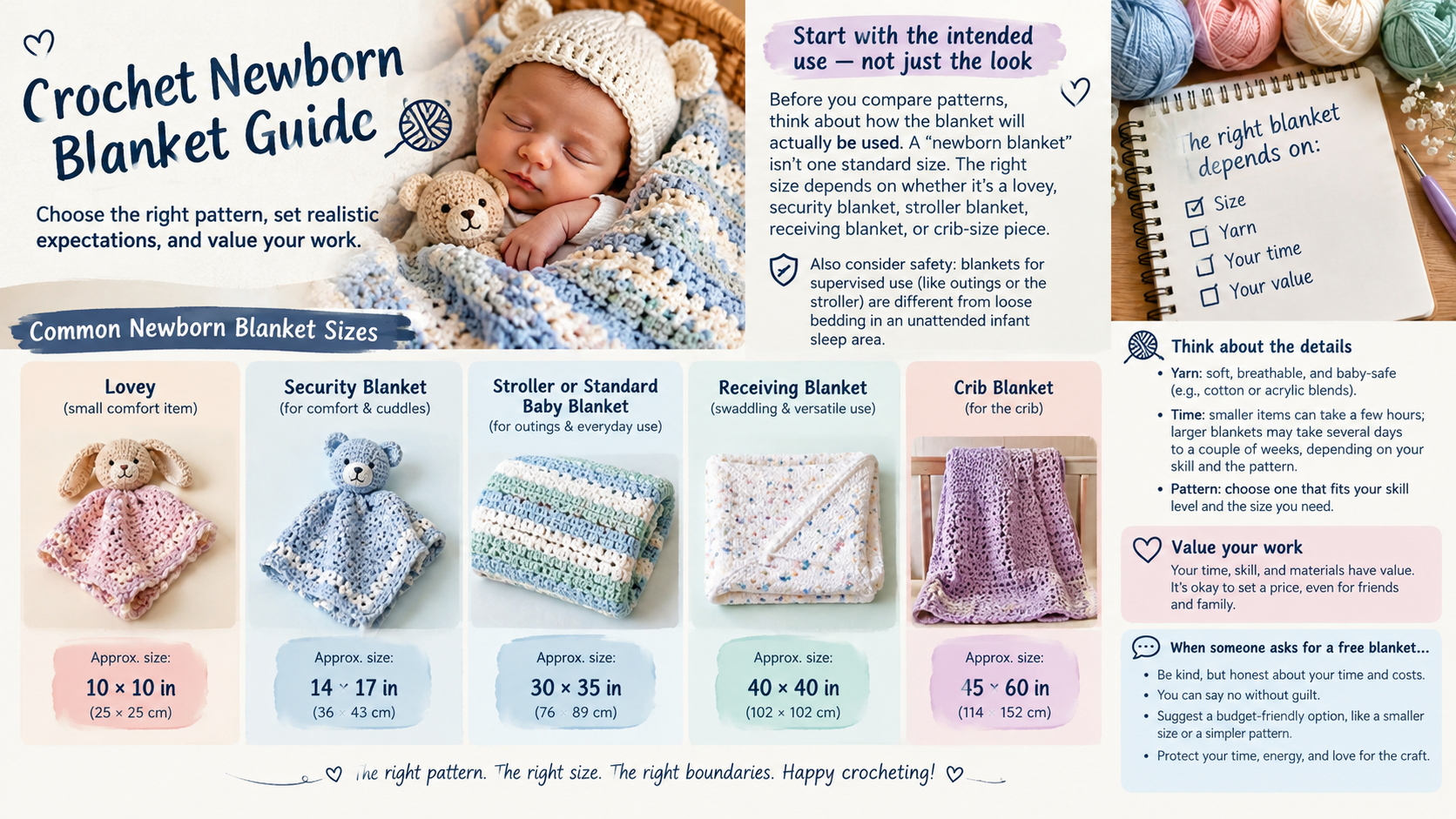
Start by asking what the family could use and what care routine suits them. A soft, machine washable blanket may be welcome for a stroller or supervised awake time. A hat is small and quick, but fit matters. Booties can be charming, though some slide off easily. A toy or lovey needs secure construction and careful thought about how it will be used.
Caregiver conversations often favor soft, washable pieces and simple practical accessories. Reports that booties fall off, hats fit poorly, or hand wash only items stay unused are informal observations, not results from a representative survey. Likewise, no authoritative 2026 survey in the research measured average spending or demand specifically for crochet baby gifts. Let usefulness guide your choice rather than unsupported market claims.
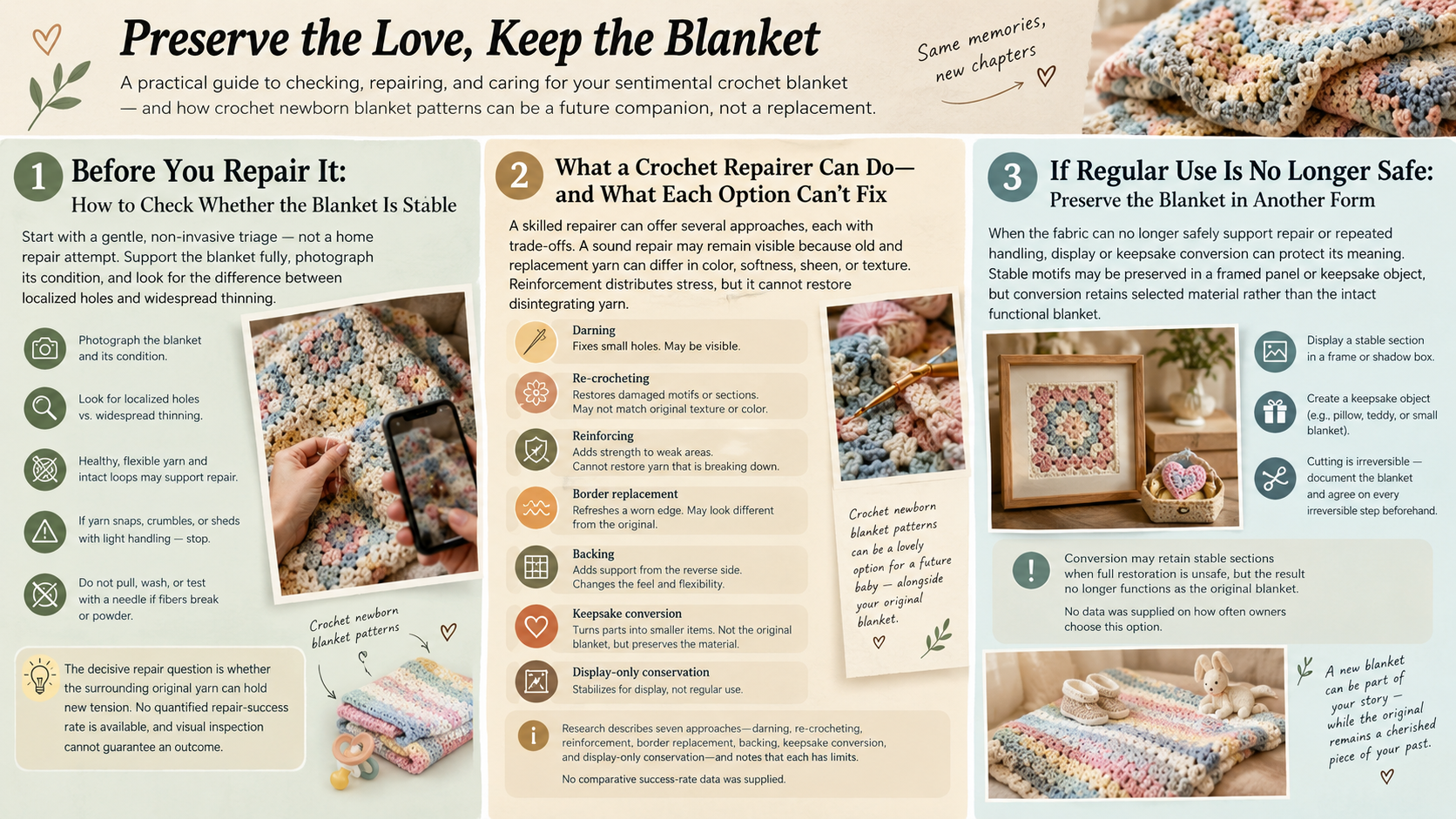
If you would like a focused guide to blanket use, read crochet baby blanket safety. For a project with a clear boundary around your time, see ways to set gift boundaries. A handmade gift is optional, and a smaller project is still thoughtful.
Choose a project and make it practical
Before choosing yarn, match the project to the time you have and the recipient’s likely routine. These figures are planning estimates, not promises. Your pace, interruptions, stitch choice, and finishing work all affect the actual time.
1. Pick the project that fits your time
| Project | Useful planning estimate | What to consider |
|---|---|---|
| Simple blanket | About 10 to 20 hours for a 30 by 30 inch blanket; about 25 to 35 hours for a 45 by 60 inch blanket | No body sizing, but a larger blanket uses more yarn and takes longer to wash and dry. |
| Basic hat | Often one evening and about 50 to 100 yards | Use head measurements. A hat that is tight can be uncomfortable; a loose one can slip. |
| Simple booties | A few hours; patterns may use about 50 to 100 grams of lightweight yarn | Fit is tricky, and booties may not stay on. Avoid ties and small decorations. |
| Lovey or small toy | Varies considerably by design | Assembly and safety checks take time. There is no dependable universal yarn amount. |
A repeated stitch blanket is a sensible first project if you want predictable rows and do not mind a longer make. A hat is a faster option, but do not rely on age labels alone. Booties are small yet require shaping and a fit check. A lovey combines a blanket section with a toy element, so it calls for more careful assembly than its size might suggest.
2. Check the pattern before you begin
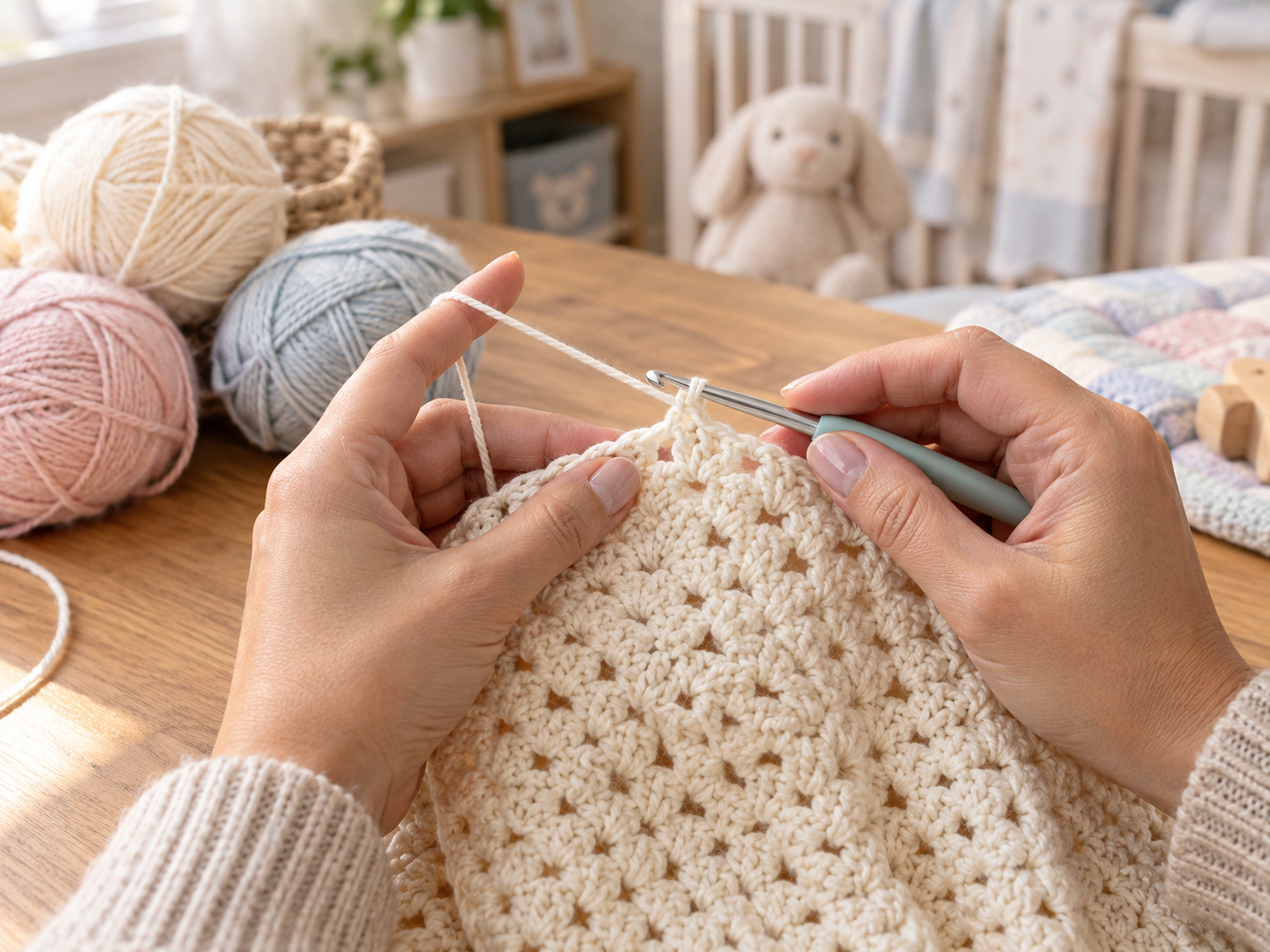
Choose a pattern that clearly lists yarn weight and fiber, hook size, gauge, finished measurements, yardage, and care. For hats and booties, look for head circumference or foot length rather than only a month range. The research gives typical ranges, not one universally tested pattern specification. For many simple booties, patterns describe foot lengths around 9 to 12 centimeters; measure the actual foot when practical and follow the pattern’s ease guidance.
For a blanket, a common estimate is about 500 to 700 yards of worsted weight yarn. The amount changes with the dimensions, stitch density, border, and your gauge. If you are comparing patterns or checking gauge, the guide to avoiding pattern and sizing mistakes explains why measurements and gauge matter. The same habits apply to smaller baby projects.
3. Choose yarn for care as well as feel
Acrylic is widely available and many types can be machine washed, but texture varies. Cotton can feel breathable, though it may become heavy when wet or stretch and shrink. Wool is warm and elastic, but can irritate sensitive skin and may need careful washing. Bamboo, rayon, and blended yarns vary by manufacturer. A label that says “baby” does not guarantee softness, easy care, or suitability for every family.
Check the care label and test a swatch against your hand or cheek. Ask the parents about fiber sensitivities and laundering preferences if you can. For a deeper explanation of fiber, weights, labels, and substitutions, use this yarn buying guide.
There is no verified 2026 average cost for crochet baby gifts in the research, so calculate your own materials instead of relying on a generic price claim: (yards required divided by yards per skein) multiplied by price per skein, then add notions and packaging. For example, 600 yards supplied in 200 yard skeins requires three skeins. Sales tax, shipping, and whether you already own a hook affect the total.
Common pitfalls, care, and safety
Many disappointments are preventable. A project can be beautifully made yet remain unused if it is uncomfortable, hard to wash, or poorly sized. Be realistic about who will care for it and where it may be used.
Fit the item to a real measurement
Gauge changes finished size. Make the pattern swatch with the intended yarn and hook, then compare it with the pattern instructions. For a hat, check head circumference and the pattern’s finished dimensions. For booties, check foot length. Avoid making the fit tighter simply because the recipient is small. Handmade gauge differences can make an age label unreliable.
Blankets do not require garment sizing, but size and density still matter. A dense, heavy piece can be warm and cumbersome. Open stitches can catch fingers or toes. Many worsted weight baby blankets use roughly 500 to 700 yards, but check the specific pattern and buy enough yarn from the same dye lot where possible.
Make laundering clear
Follow the yarn label rather than guessing. Some acrylic yarns allow machine washing and low heat drying; some cottons can stretch or shrink; wool may need cool hand washing and flat drying. Wash before gifting when practical, and include simple written care instructions. A hand wash only item may be difficult for a busy caregiver, so ask before choosing a fiber that needs extra care.
Use a safety check before gifting
- Do not add safety eyes, buttons, beads, bells, glued decorations, or other detachable pieces to baby items.
- Avoid long cords, ribbons, ties, and loops.
- Weave in yarn ends securely and inspect seams, joins, and attached parts.
- Check for openings that could catch fingers or toes, and inspect the item regularly for wear or unraveling.
- Do not describe loose blankets, loveys, or stuffed toys as safe for unsupervised infant sleep.
For current safe sleep guidance, see the American Academy of Pediatrics parent guide. For toy construction concerns, consult the US Consumer Product Safety Commission guidance on small parts. Follow the family’s guidance about how and when an item should be used; a handmade blanket is more appropriate for supervised awake time, such as a stroller outing, than as loose bedding in an infant sleep space.
When sharing the gift, keep the message simple. Personalization such as a color choice, initials, or name can be lovely if the family wants it, but it is optional. Commercial claims that customization increases spending are not supported by an authoritative survey in the research. If you post a photo or story, ask permission before sharing a child’s name or family history.
If you are making for an organization rather than a particular family, check its current rules before beginning. The baby blanket donation guide covers checks to make before donating. And if a request becomes more work than you can take on, the gift boundaries article offers ways to decline kindly.
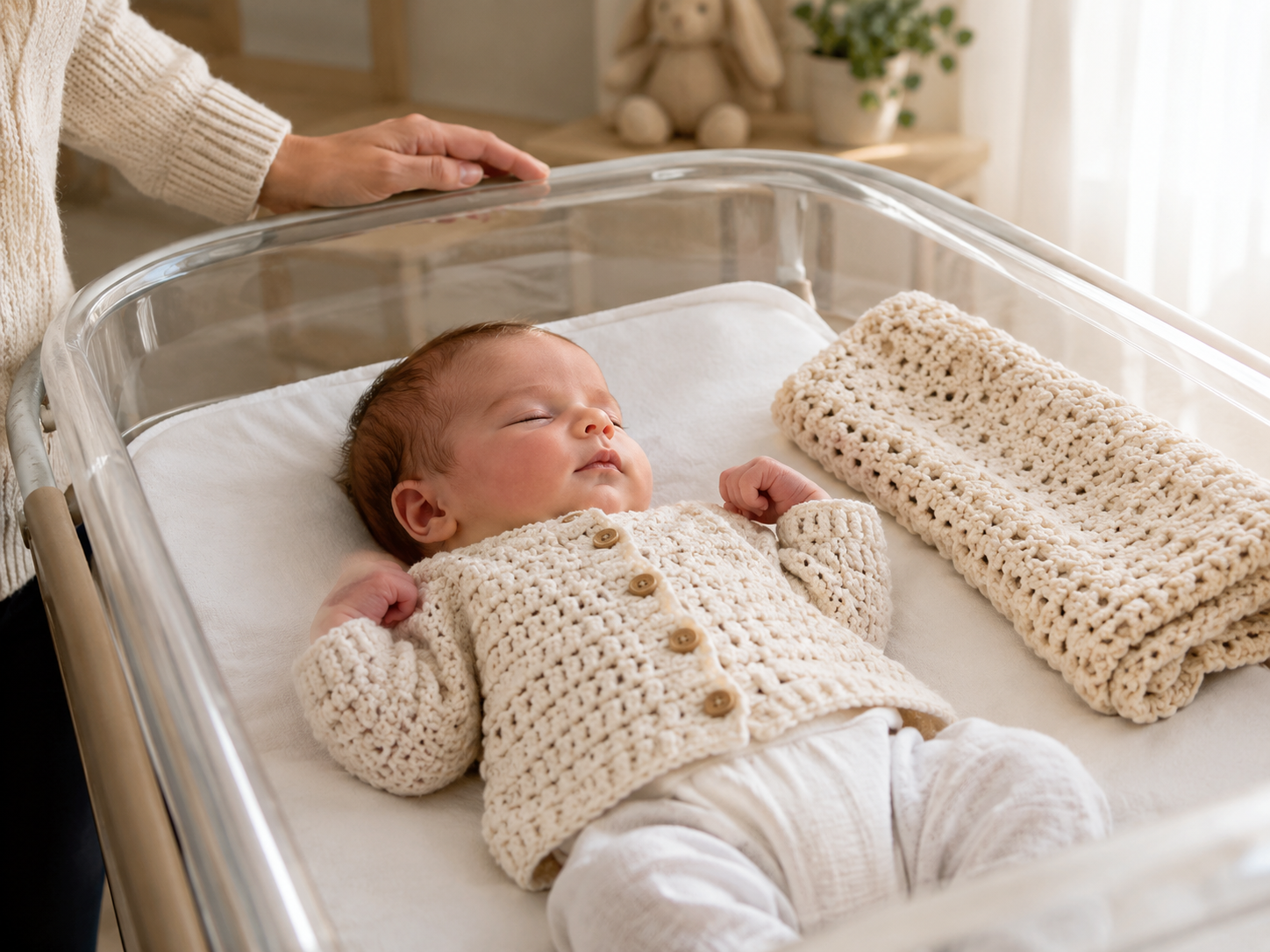
Make a thoughtful gift
A useful crochet baby gift starts with the family’s needs, not a trend list. Choose a project that fits your time, test the yarn and gauge, use measurements, and plan for washing and finishing. Keep construction simple and secure, and be clear about safe use.
Have you finished a project for a baby? Share the pattern, yarn, finished size, and what proved useful for the recipient. Keep the story as personal or practical as you like. Make a Crochet baby gift that is safe, comfortable, and manageable for the person who will care for it.
Frequently asked questions
What is the easiest crochet baby gift for a beginner?
A simple blanket with a repeated stitch is forgiving because it does not need precise body shaping. A basic hat can take less time, but requires careful sizing. Choose based on your available time and comfort with measuring.
How much yarn does a crochet baby blanket need?
Many worsted weight baby blankets use approximately 500 to 700 yards. Actual yardage depends on blanket size, stitch pattern, gauge, and border. Follow the pattern’s estimate and consider having a little extra from the same dye lot.
What yarn is best for crochet baby gifts?
There is no best fiber for every family. Many acrylic yarns are washable, cotton can be breathable, and wool can be warm but may need delicate care. Check the specific label, test a swatch, and ask about sensitivities and laundry preferences.
Are crochet blankets safe for babies to sleep with?
Do not present a loose blanket as safe for unsupervised infant sleep. Follow current safe sleep guidance from the baby’s health care provider and recognized health authorities. A handmade blanket may be used in supervised settings when the caregiver chooses.
Can I use safety eyes on a crochet baby toy?
Avoid safety eyes and other detachable parts on items intended for babies. Embroidered features may avoid hard components, but the toy still needs secure seams, securely woven ends, and regular inspection. Follow relevant toy safety requirements.
{"@context":"https://schema.org","@type":"FAQPage","mainEntity":[{"@type":"Question","name":"What is the easiest crochet baby gift for a beginner?","acceptedAnswer":{"@type":"Answer","text":"A simple blanket with a repeated stitch is forgiving because it does not need precise body shaping. A basic hat can take less time, but requires careful sizing. Choose based on your available time and comfort with measuring."}},{"@type":"Question","name":"How much yarn does a crochet baby blanket need?","acceptedAnswer":{"@type":"Answer","text":"Many worsted weight baby blankets use approximately 500 to 700 yards. Actual yardage depends on blanket size, stitch pattern, gauge, and border. Follow the pattern’s estimate and consider having a little extra from the same dye lot."}},{"@type":"Question","name":"What yarn is best for crochet baby gifts?","acceptedAnswer":{"@type":"Answer","text":"There is no best fiber for every family. Many acrylic yarns are washable, cotton can be breathable, and wool can be warm but may need delicate care. Check the specific label, test a swatch, and ask about sensitivities and laundry preferences."}},{"@type":"Question","name":"Are crochet blankets safe for babies to sleep with?","acceptedAnswer":{"@type":"Answer","text":"Do not present a loose blanket as safe for unsupervised infant sleep. Follow current safe sleep guidance from the baby’s health care provider and recognized health authorities. A handmade blanket may be used in supervised settings when the caregiver chooses."}},{"@type":"Question","name":"Can I use safety eyes on a crochet baby toy?","acceptedAnswer":{"@type":"Answer","text":"Avoid safety eyes and other detachable parts on items intended for babies. Embroidered features may avoid hard components, but the toy still needs secure seams, securely woven ends, and regular inspection. Follow relevant toy safety requirements."}}]}
Leave a Reply