




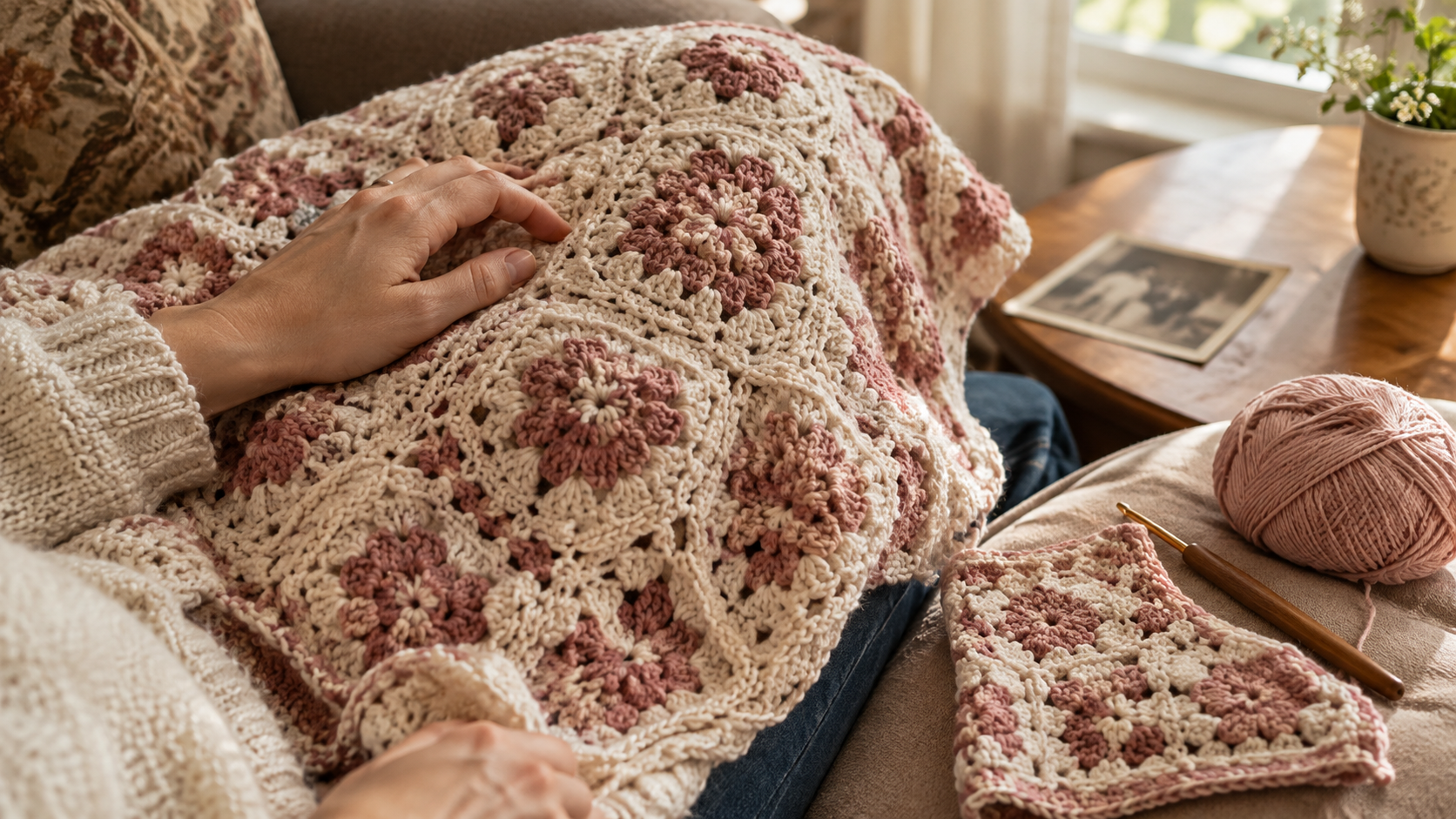


Crochet baby blanket donation questions can feel personal when you are unsure about the colors or finish. But whether a blanket suits a recipient is not a verdict on your crochet skills. Check its intended use, construction, and the organization’s current rules before deciding where to offer it.
Key Takeaways
- There is no universal NICU blanket standard. Each hospital or charity sets its own requirements.
- Research reviewed for this guide found no general ban on bright colors, black details, or bold patterns. Practical requirements focus on size, fiber, washability, construction, cleanliness, and packaging.
- Ask the specific recipient about current needs and delivery instructions before washing, packaging, or dropping off your blanket.
Is Your Blanket Suitable to Donate?
Finishing a blanket and then noticing one color combination you would change is common. That feeling alone does not tell you whether the item can be donated. Separate your personal reaction from practical checks: Is it clean and securely finished? Does its size and yarn meet the recipient’s rules? Is the organization accepting this type of item for a defined use?
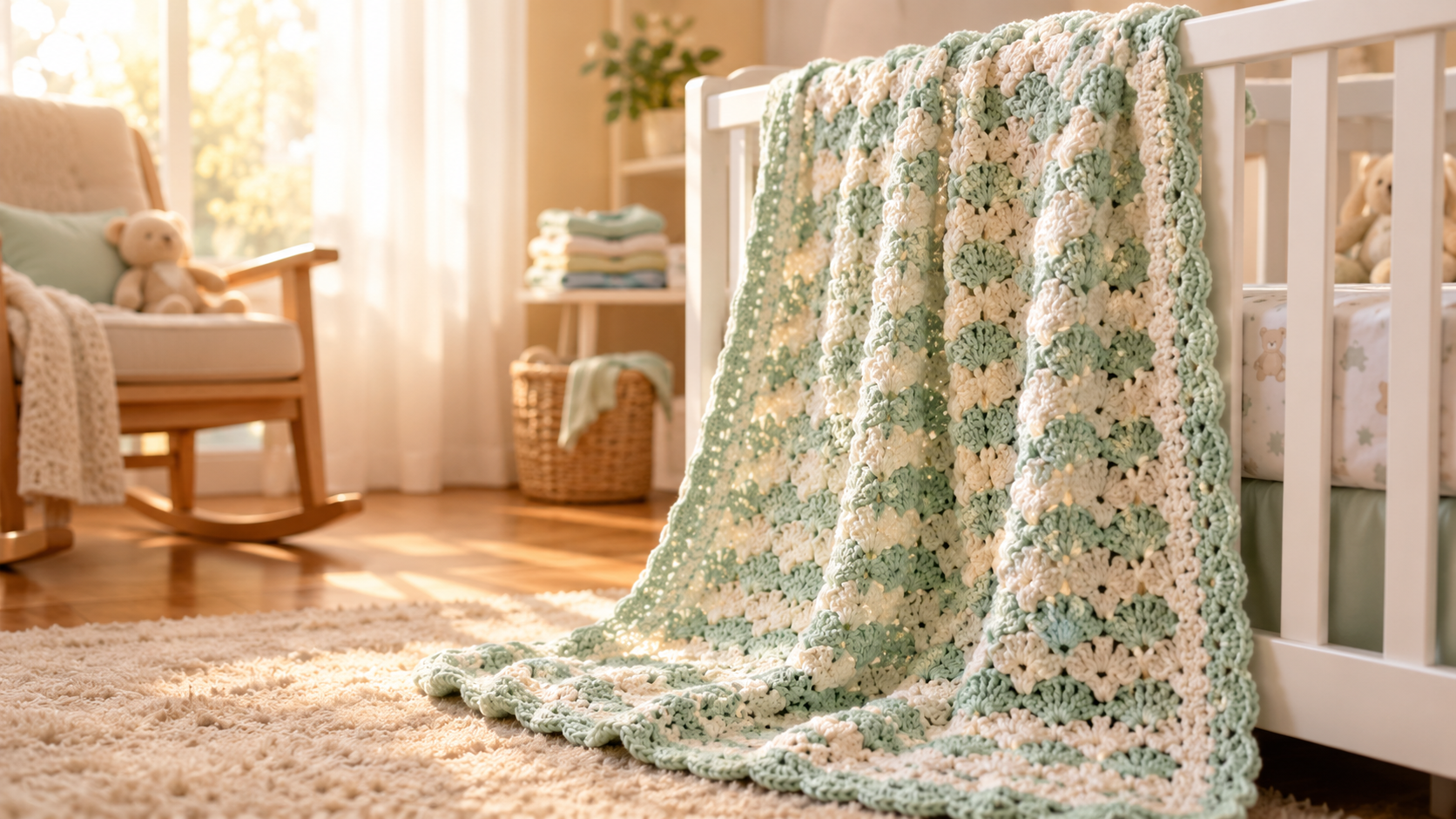
A crochet baby blanket donation is an offer to a particular program, not a guarantee that every hospital will accept it. Some programs collect handmade blankets; some hospitals do not accept outside textiles, and others accept them only for a specific purpose. Donation approval also does not mean a blanket is approved for every use around an infant. Follow the recipient’s instructions and clinical staff guidance.
There is no universal NICU blanket standard. Requirements vary across hospitals and charities, especially for dimensions, yarn, laundering, packaging, and delivery. A useful starting point is our guide to crochet baby blanket safety, which discusses use and construction separately from donation eligibility.
Are bright colors or black details a problem?
The reviewed organization guidance does not establish a general prohibition on bright colors, black details, or bold patterns. Published policies focus instead on practical factors such as fiber, washability, size, stitch openness, cleanliness, and packaging. A particular program may have preferences, so ask, but do not assume that a dark stripe makes a blanket unsafe or unwanted.
There is little systematic parent feedback in the available research to support claims about what all NICU families prefer. Color can be personal and may carry different meaning for different families. The most honest answer is that preference can vary, while current written requirements are the decision point you can verify.
How to Check a Blanket Before Donating
Use this process before sending the blanket anywhere. It helps you find a suitable program without guessing from generic advice or changing a finished project unnecessarily.
1. Match the blanket to the program
Ask whether the blanket is intended for active NICU use, an incubator cover, a memory box, a bereavement item, or a general care package. These are not interchangeable categories. A size appropriate for an incubator may not suit a memory box, and a program may request a small item for a specific care bag.
For example, Empty Cradle’s cited guidance asks for memory box blankets of at least 24 by 24 inches, while its miscarriage care bags request palm sized blankets. That difference within one organization shows why you should name the intended program when asking. Review Knots of Love’s donation guidance as another example of an organization with defined neonatal requirements, then confirm its latest instructions directly.
2. Measure and check the yarn
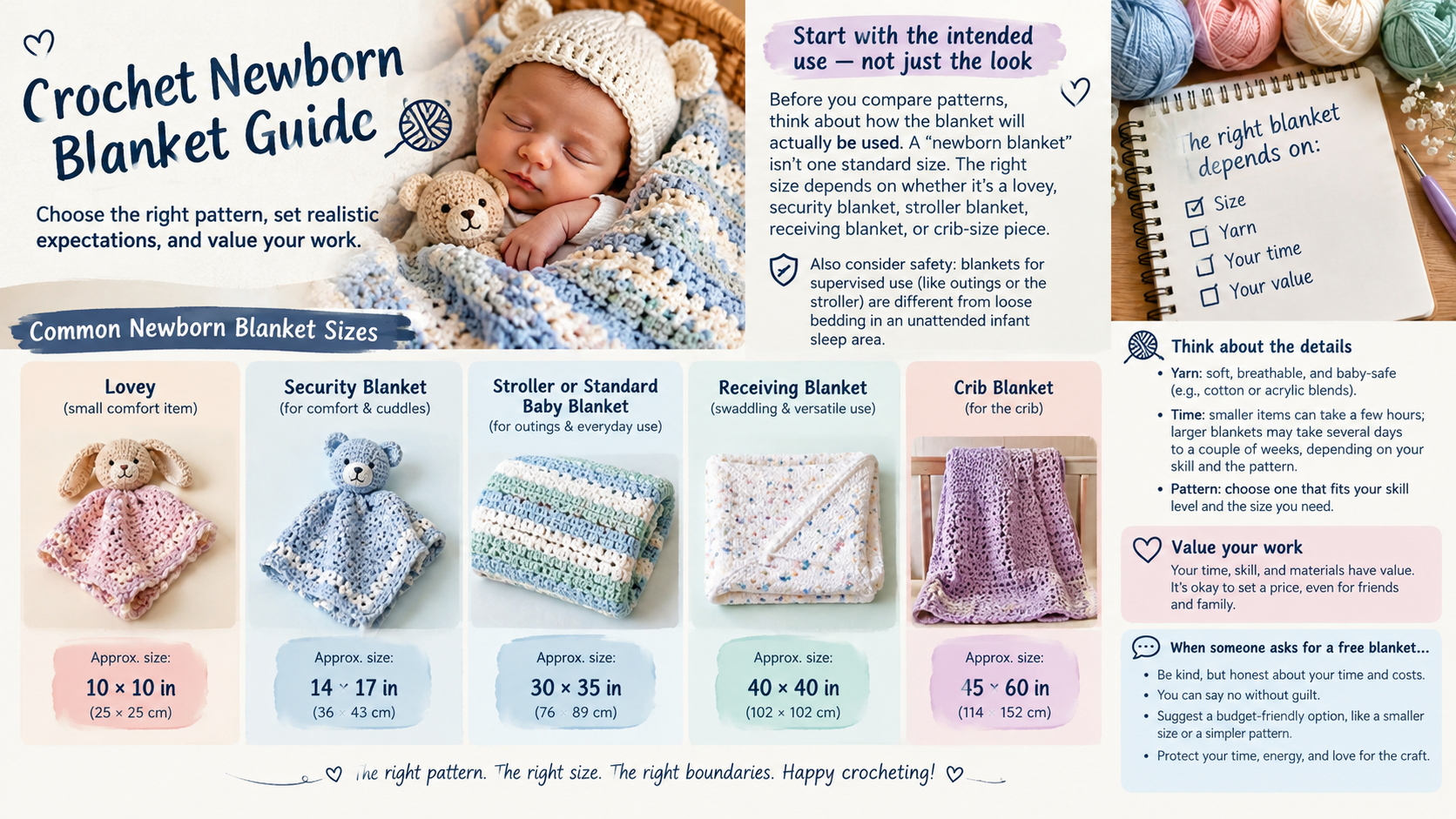
Measure the finished blanket rather than relying on a common size chart. Knots of Love specifies neonatal blankets from 30 by 24 inches to 34 by 28 inches. Baylor Scott & White Medical Center McLane lists a range from 30 by 30 inches to 40 by 45 inches. These ranges differ, so a blanket that meets one program’s dimensions may be outside another’s.
Check whether yarn must come from an approved list, be machine washable, or use a particular fiber. Baylor Scott & White prefers soft acrylic or cotton and does not accept wool or pompadour yarn under the cited policy. The Preemie Project calls for very soft, machine washable materials. For help understanding fiber labels and care properties, see our guide to yarn fiber and washability.
3. Inspect stitches and finishing
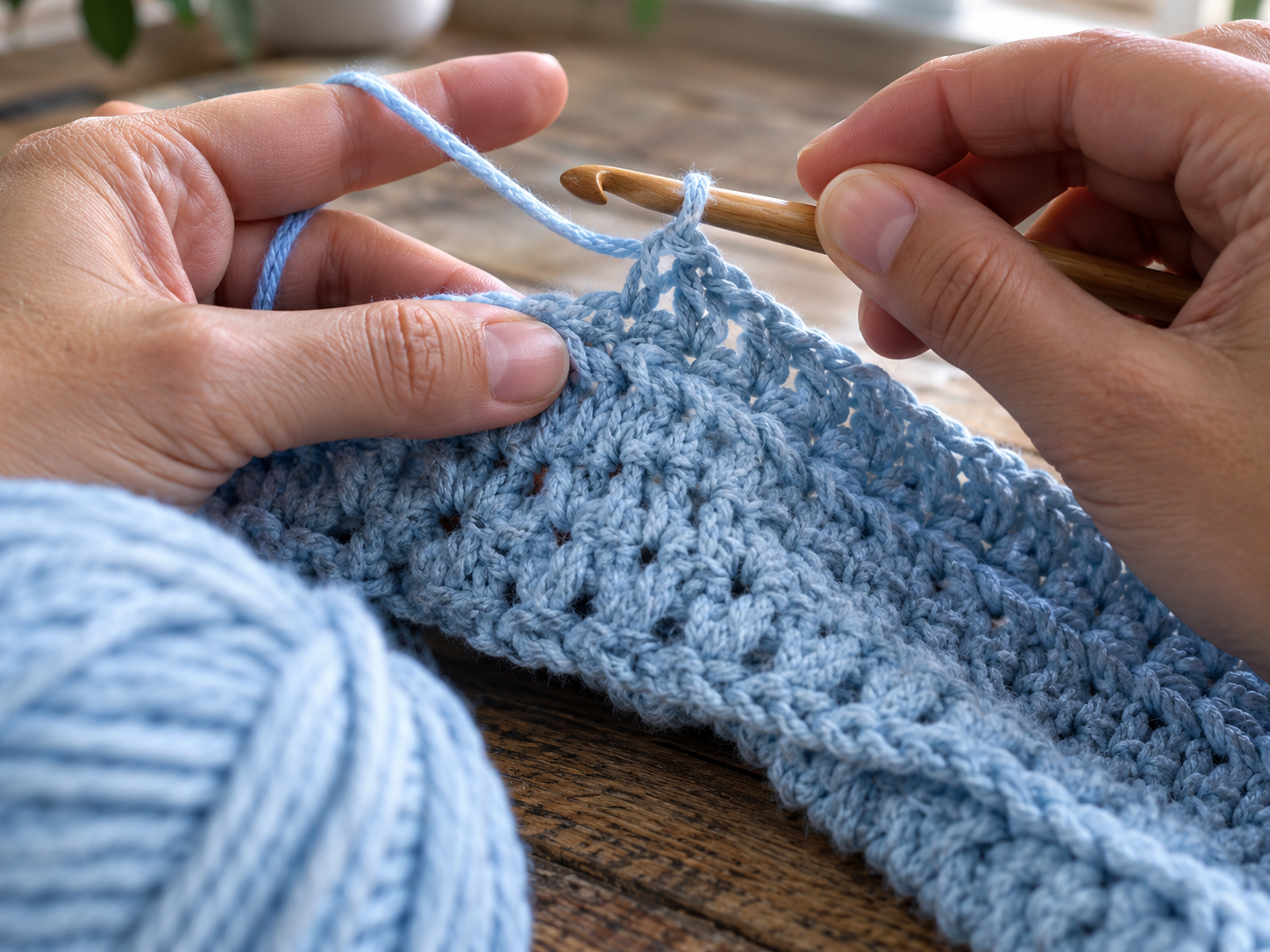
Look over both sides in good light. Secure loose yarn tails, check seams, and look for fringe or open holes that could catch fingers, toes, or medical tubing. Knots of Love specifically discourages lacy or open hole patterns for this reason. Do not add buttons, beads, or other decorations unless the recipient explicitly permits them.
A stable fabric is a more useful donation check than whether every stitch looks perfectly uniform. If the blanket needs a small repair, decide whether it can be corrected neatly before you offer it. For project construction and fit concepts, our article on avoiding common crochet pattern mistakes explains why measurements and construction details matter across crochet projects.
4. Confirm washing, packaging, and delivery
Do not wash or package according to a rule you found for a different charity. Instructions conflict. The Preemie Project’s cited guidance asks for unscented detergent, no fabric softener, and separate zip top bags. Baylor Scott & White specifies Dreft, individually bagged items, and a Gift in Kind Form. Knots of Love requires washed and dried items, a submission form, and shipment in a new box or poly mailing bag.
Ask whether the blanket must be new, how to launder it, whether the washer or dryer needs special preparation, how to package it, and whether to mail or arrange a designated drop off. Keep it clean and completely dry after washing. Do not make an unsolicited hospital drop off. More than one program requires forms or a specified delivery route.
5. Contact the recipient with specific questions
A short message can prevent wasted time. Ask: Are you accepting blankets now? What is this blanket used for? What exact dimensions and yarns do you accept? Are open stitches or fringe allowed? Which washing products and packaging should I use? Is a form required? What happens if an item does not meet the rules? If you cannot use it, can it be repaired, returned, or redirected, and who pays return postage?
Use the organization’s current website or coordinator contact rather than relying on an old post or another donor’s experience. The Preemie Project’s donation information is one example of program specific handling instructions. Contact Baylor Scott & White through its official hospital website to confirm the cited NICU policy and Gift in Kind process before arranging delivery.
Common Donation Problems and Policy Differences
A blanket can be well made and still be unsuitable for one particular program. The reason may be administrative or practical, not a judgment about your skill. Use the comparison below as evidence that you need current recipient specific instructions, not as a universal set of rules.
| Program example | Published requirement in the research | What to verify |
|---|---|---|
| Knots of Love | 30 by 24 to 34 by 28 inches, approved yarn list, no lacy or open hole pattern, submission form | Current approved yarns, care, and mailing process |
| Baylor Scott & White McLane NICU | 30 by 30 to 40 by 45 inches, soft machine washable fiber, acrylic or cotton preferred | Current detergent, packaging, form, and designated drop off |
| The Preemie Project | Very soft machine washable items, unscented detergent, no fabric softener, separate zip top bags | Intended use and any current size request |
| Empty Cradle | At least 24 by 24 inches for memory boxes; palm sized for miscarriage care bags | Which program is receiving the item and its current handling rules |
Common reasons an item may be declined
- Wrong size or use: It may not fit an incubator or the intended package.
- Construction concerns: Open stitches, unsecured ends, loose seams, or fringe may need correction.
- Yarn restrictions: Some organizations require an approved list or exclude particular fibers.
- Laundry or handling mismatch: Fragrance, fabric softener, incomplete drying, or incorrect packaging can conflict with policy.
- Delivery or paperwork: The program may require a form, scheduled drop off, or mail to a coordinator instead of accepting an unannounced delivery.
Research includes a donor account in which volunteers reportedly redid stitches, removed fringe, and secured yarn tails. That example is not a promise that a program will repair every item. It does show that appreciation and eligibility are separate questions: a coordinator may value the work but still need changes before distribution.
Do not interpret a refusal as proof that bright colors or black details were the problem unless the organization says so. Ask for the specific reason and whether a practical adjustment would make the item eligible. If not, ask about another program only after checking that program’s requirements.
Handmade baby gifts can also involve personal expectations and time commitments. If donation or gifting brings up pressure to keep making items, our guides to setting boundaries around crochet baby gifts and saying no to crochet baby gift requests offer language for making a choice that works for you.
A Practical Next Step
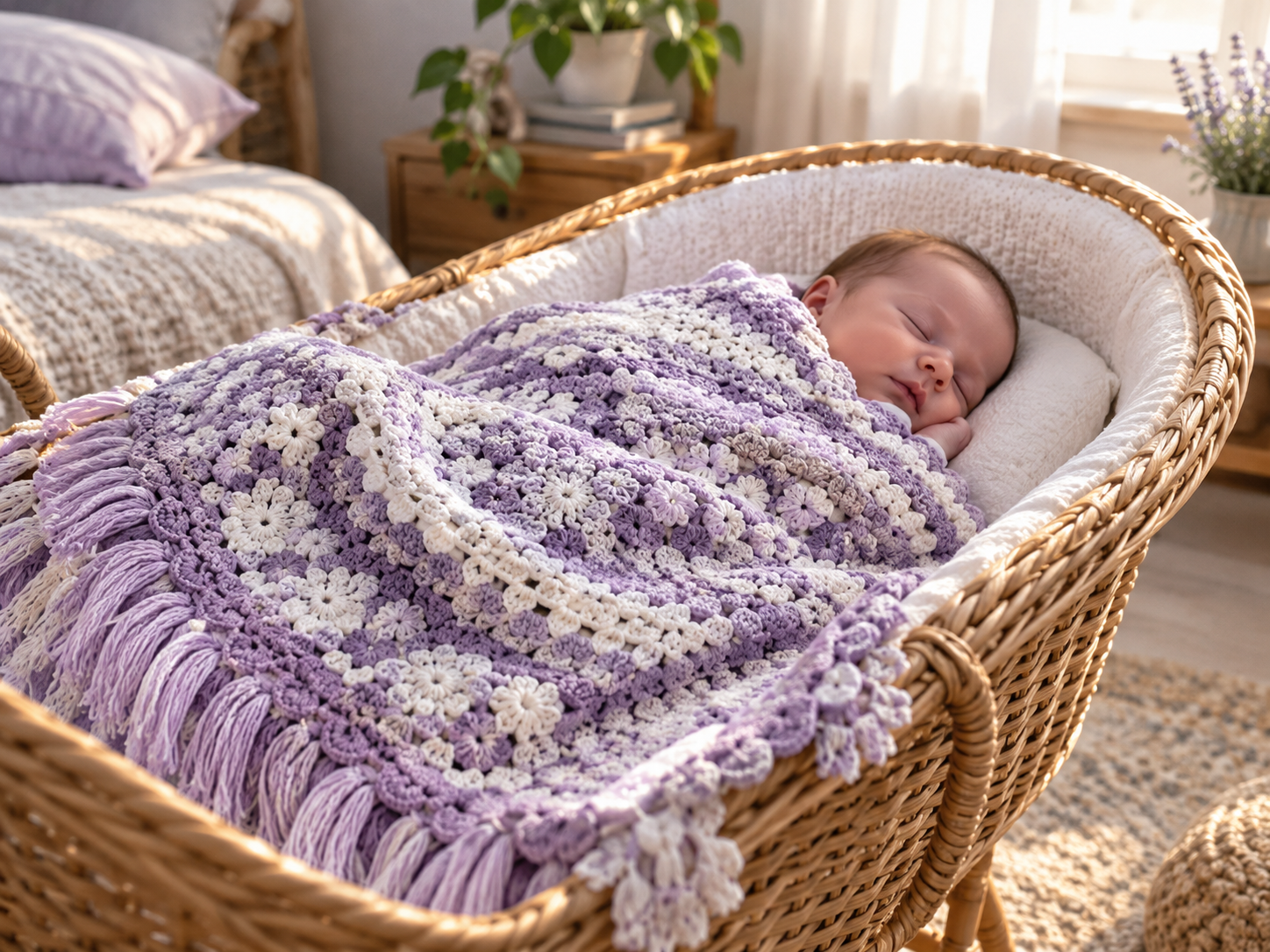
Your blanket does not need to match your ideal version of it to be useful. Check its construction, measure it, identify the intended use, and ask a specific organization about current rules for yarn, washing, packaging, and delivery. Bright colors or black details are not generally prohibited in the guidance reviewed, but only the recipient can confirm its preferences and needs.
Choose one organization and send a brief inquiry with the blanket’s dimensions and yarn details before you ship or drop it off. A crochet baby blanket donation is a generous offer, and checking first helps ensure it reaches a program that can use it. If it is declined, ask why and whether repair, return, or redirection is possible.
Frequently Asked Questions
Do NICUs accept crochet baby blankets?
Some hospitals and hospital linked programs publish procedures for accepting handmade blankets, while others may not accept outside textiles. Acceptance depends on the facility’s current policy, intended use, and requirements. Contact the specific program before delivering anything.
Are bright colors or black yarn unsafe for a baby blanket?
The reviewed guidance does not establish a general ban on bright colors, black details, or bold patterns. Policies focus mainly on dimensions, approved fiber, washability, stitch structure, cleanliness, and packaging. Ask the recipient about any local preference.
What size should a donated crochet baby blanket be?
There is no universal size. Knots of Love specifies 30 by 24 to 34 by 28 inches for neonatal blankets, while Baylor Scott & White McLane lists 30 by 30 to 40 by 45 inches. Other programs may request different dimensions or have no single published size.
Should I wash a blanket before donating it?
Many programs require washing and complete drying, but their instructions differ. Detergent, fabric softener, appliance preparation, and packaging rules may vary. Follow the recipient’s current instructions rather than a general online recommendation.
What should I do if my blanket is declined?
Ask for the specific reason and whether the item can be repaired, returned, or redirected. A refusal can reflect size, yarn, laundering, packaging, paperwork, or capacity rather than craft quality. Do not assume another organization will accept it without checking.
{"@context":"https://schema.org","@type":"FAQPage","mainEntity":[{"@type":"Question","name":"Do NICUs accept crochet baby blankets?","acceptedAnswer":{"@type":"Answer","text":"Some hospitals and hospital linked programs publish procedures for accepting handmade blankets, while others may not accept outside textiles. Acceptance depends on the facility’s current policy, intended use, and requirements. Contact the specific program before delivering anything."}},{"@type":"Question","name":"Are bright colors or black yarn unsafe for a baby blanket?","acceptedAnswer":{"@type":"Answer","text":"The reviewed guidance does not establish a general ban on bright colors, black details, or bold patterns. Policies focus mainly on dimensions, approved fiber, washability, stitch structure, cleanliness, and packaging. Ask the recipient about any local preference."}},{"@type":"Question","name":"What size should a donated crochet baby blanket be?","acceptedAnswer":{"@type":"Answer","text":"There is no universal size. Knots of Love specifies 30 by 24 to 34 by 28 inches for neonatal blankets, while Baylor Scott & White McLane lists 30 by 30 to 40 by 45 inches. Other programs may request different dimensions or have no single published size."}},{"@type":"Question","name":"Should I wash a blanket before donating it?","acceptedAnswer":{"@type":"Answer","text":"Many programs require washing and complete drying, but their instructions differ. Detergent, fabric softener, appliance preparation, and packaging rules may vary. Follow the recipient’s current instructions rather than a general online recommendation."}},{"@type":"Question","name":"What should I do if my blanket is declined?","acceptedAnswer":{"@type":"Answer","text":"Ask for the specific reason and whether the item can be repaired, returned, or redirected. A refusal can reflect size, yarn, laundering, packaging, paperwork, or capacity rather than craft quality. Do not assume another organization will accept it without checking."}}]}
Leave a Reply