


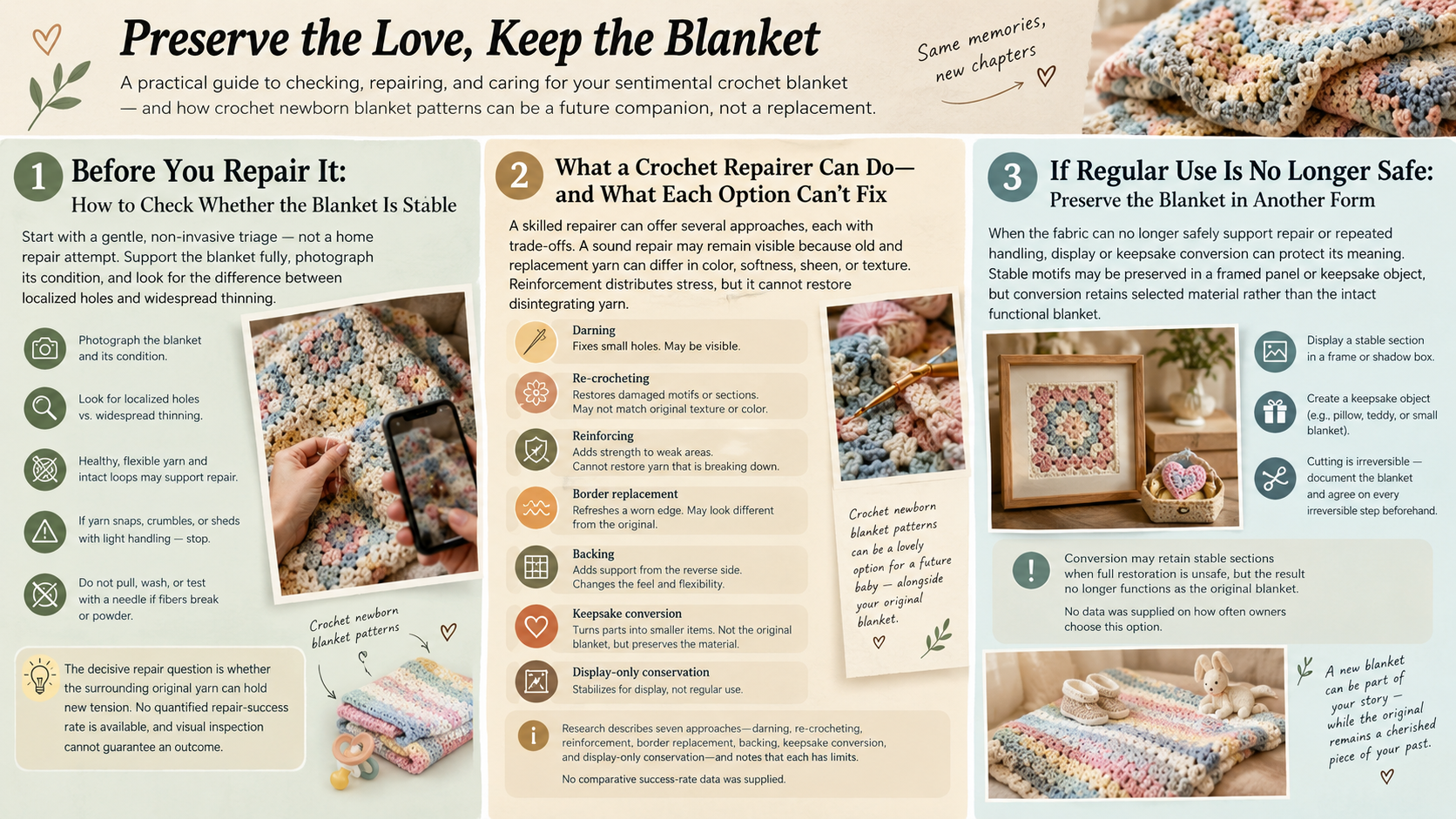



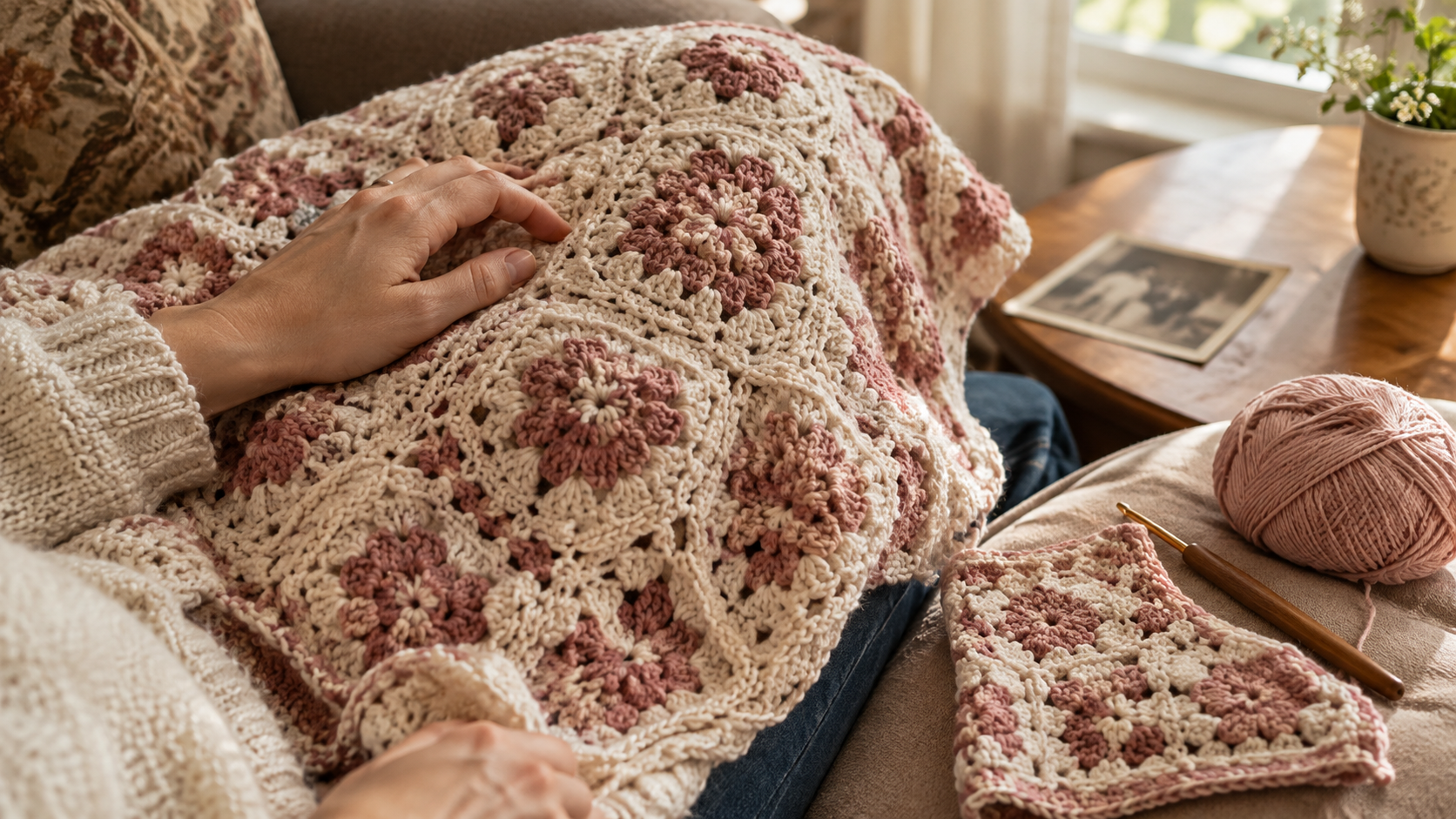


{“content_brief”:{“angle”:”Tell a warm, lightly amused family story about relatives’ emotional investment in a pile of baby clothes, then help a new parent appreciate handmade and vintage pieces without treating every garment as an obligation to wear or keep.”,”target_audience_persona”:”A new or expectant parent sorting through baby clothes from relatives. They are amused by the family’s enthusiasm but unsure which pieces were handmade, what makes an item an heirloom, and how to handle clothes that no longer fit or suit the season. They want kind reassurance and practical choices, not crochet instructions or shopping advice.”,”outline”:[{“h2″:”The Baby Clothes That Started a Family Debate”,”key_concept”:”Open with a specific, affectionate scene: relatives proudly present a bundle as the baby’s future wardrobe, while the parent realizes some pieces are already too small or made for another season. Make the tension gently funny, not dismissive. Clarify that the family is deciding how to value the clothes, not whether to reject them. Avoid suggesting this is representative of all families.”,”keywords”:[“Crochet baby”],”data_stat_to_cite”:”No reliable 2026 statistic was found measuring how many families save or pass down baby clothes as heirlooms. State that this is one family’s experience, not a measured trend.”},{“h2″:”Handmade, Vintage, or a Little of Both?”,”key_concept”:”Explain that a bundle may mix a relative’s crocheted garment with vintage store-bought clothes. Point to clues readers can inspect: interlocking crochet stitches, motif joins, hand-finished edges, seams, labels, fiber, closures, and family photographs or stories. Stress that clues support possibilities but do not establish who made an item or its exact date. A missing label does not prove handmade origin, and standardized construction does not prove factory origin.”,”keywords”:[“Crochet baby”,”crochet baby clothes heirloom”],”data_stat_to_cite”:”Research identifies construction, labels, fiber, hardware, and family documentation as useful clues, but no single clue reliably proves the maker, exact date, or ownership history.”},{“h2″:”What Makes a Baby Garment an Heirloom?”,”key_concept”:”Show how relatives may define heirloom differently: age, a known maker, family history, rarity, sentimental value, or the continuity of passing something along. A newer cardigan made by a loved one may mean more than an older purchased garment. Present disagreement about the object’s meaning as a difference in perspective, not proof that family members care differently about one another.”,”keywords”:[“crochet baby clothes heirloom”],”data_stat_to_cite”:”Research lists age, maker, family history, rarity, sentimental value, and continuity as possible meanings of heirloom. It identifies neither one universal definition nor a quantified ranking of which meaning matters most.”},{“h2″:”When the Clothes Don’t Fit or the Season Has Passed”,”key_concept”:”Offer nonjudgmental options for garments that are too small, unsuitable for wear, or out of season: photograph and document them, selectively store pieces, pass a garment to another relative, display it briefly, or consider repurposing only after recording its details. Explain that keeping every item is not required to honor a maker or memory. Note that alteration is irreversible and may remove evidence of construction or history.”,”keywords”:[“crochet baby clothes heirloom”],”data_stat_to_cite”:”Research provides no prevalence figure for fit or timing problems. It identifies poor fit and out-of-season arrival as practical challenges and lists storage, gifting, display, documentation, and repurposing as possible responses.”},{“h2″:”Keeping a Crochet Heirloom Safe Without Making It a Burden”,”key_concept”:”Give concise, cautious care guidance. Support fragile crochet flat rather than hanging it, reduce exposure to light and pests, avoid damp or hot storage areas, and do not automatically wash or repair fragile or historically significant items. Recommend professional advice before cleaning or altering fragile, valuable, stained, or structurally weak textiles. Acknowledge that proper preservation requires time, space, and effort, making selective retention reasonable.”,”keywords”:[“crochet baby clothes heirloom”],”data_stat_to_cite”:”The Research Findings report National Park Service guidance of approximately 65–75°F and relative humidity near 50% for textile objects. They also cite a George Washington University Museum recommendation to display textiles for roughly four months, then rest them in dark storage for the remainder of the year. Present these as institutional guidance, not universal household requirements.”},{“h2″:”Keep the Story, Even If You Don’t Keep Every Garment”,”key_concept”:”Return to the family’s reaction: the humor comes from the gap between sentimental hopes and baby-sized practicalities, not from anyone caring too much. Encourage the reader to ask relatives what they remember, record known maker and wearer details, take photographs, and choose what fits the household’s needs. End with a direct invitation for readers to share whether an item was handmade or purchased, what makes it an heirloom in their family, and what they do with beloved clothes that cannot be worn.”,”keywords”:[“Crochet baby”,”crochet baby clothes heirloom”],”data_stat_to_cite”:”There is no verified 2026 statistic in the Research Findings on how often families preserve or pass down baby clothes. Frame the invitation as a request for personal stories, not evidence of a wider trend.”}]}}
Crochet Baby Clothes
October 19, 2026
By Admin
5 min read
Crochet Baby: 7 Best Heirloom-Preserving Strategies

A
Written & Curated by
Admin — Crochters Editorial
Modern crochet tutorials, pattern guides & mindful craft wisdom.
Previous Article
Crochet Baby Blanket: 7 Amazing Tips in This Proven Guide
Next Article
Leave a Reply